


.png?width=248&height=73&name=Logo%20w%20Tag%20-%20Color@300x%20(1).png "Logo w Tag - Color@300x (1)")

One Branch, Four Generations: How Financial Institutions Can Meet Everyone's Needs
by La Macchia GroupToday's financial institutions face a unique challenge: serving four generations of consumers under one roof. While some consumers prefer mobile banking and self-service technology, others still value face-to-face interactions and personal guidance. The most successful branches aren't designed for one generation, they're designed to accommodate all of them. So what does that look like in a branch?
Understanding Today’s Consumer Landscape
Financial institutions today serve a broader range of consumers than ever before. From Gen Z consumers opening their first accounts to Baby Boomers planning for retirement, each generation brings different experiences, expectations, and preferences to the branch environment. Younger consumers have grown up in a digital-first world, meaning they expect convenience, speed, but also support and strong relationships. Millennials and Gen X consumers tend to seek balance between digital and convenience and guidance. While Baby Boomers continue to value personal relationships and guidance over everything.
Options for Consumers, Not One-Size-Fits-All
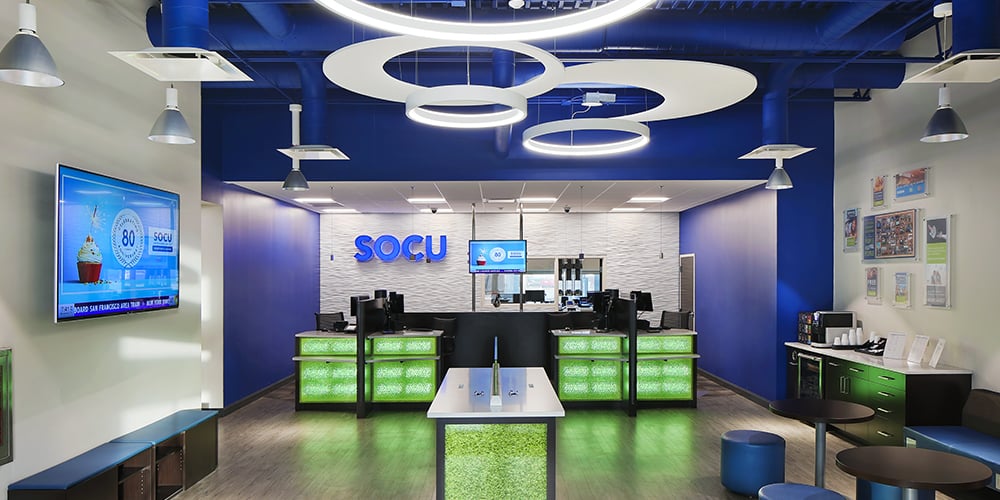
Knowing the difference in needs and wants between the generations your financial institution may come in contact with, it’s important to understand that options are important. While offering self-service kiosks and ITMs is one of the best ways to integrate technology in a low-pressure way, ensuring that there is staff present to greet and help consumers is also important. Some of the most successful banks and credit unions understand that a great branch strategy isn’t about replacing personal service with technology, it’s about giving consumers the chance to choose how they would like to engage. Integrate the technology that so many consumers are looking for, but keep the private conversation areas and friendly staff.
Creating Spaces for Conversation
With the option to conduct all routine transactions online, we’ve said time and time again that the role of the branch is evolving. Consumers see a branch as a guidance hub during life events, big decisions, and when looking for help and education. Whether a consumer is looking at auto and home loans, planning for their retirement, looking to invest, or start a college fund for their child, the branch provides the space for these conversations in a way that digital channels do not.
Technology Should Enhance, Not Overwhelm
While technology is now seen as an essential part of a branch, it’s important that the technology is integrated in a way that feels cohesive, sleek, and approachable for all consumers. While many people see kiosks, digital displays, and ITMs as convenience items, oftentimes these assets can feel unfamiliar to other consumers. When working technology into your branch design, it’s important that placement is top-of-mind, along with ensuring staff is visible and eager to interact with visitors. Technology should be used to enhance human interactions, making them empowering and making technology feel like a natural extension of the branch experience.
While each generation may have different preferences, they all share common expectations: convenience, trust, accessibility, and meaningful service. The goal isn't to create separate experiences for each demographic. It's to design environments that offer flexibility, empower choice, and support a variety of interactions. When done well, branch design becomes less about age and more about creating experiences that work for everyone.